
Published: 23 March 2026
Is it Just Cosmetic? Understanding the Physical Impact of Pectus on Your Child

1. Reduced Lung Capacity and Breathlessness
In cases of Pectus Excavatum, the sternum is pushed inward. This can physically limit the space available for the lungs to expand fully. You might notice your child:
- Gets “winded” much faster than their peers during sports.
- Has difficulty catching their breath after minor exertion.
- Experiences a persistent, dry cough during physical activity.

2. The Impact on Heart Efficiency
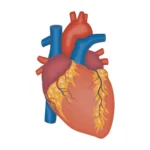
When the chest wall is severely depressed, it can put pressure on the right ventricle of the heart. While this rarely causes a heart “attack,” it can lead to decreased stroke volume, meaning the heart has to work harder to pump the same amount of blood. This often manifests as unexplained fatigue or a racing heart (palpitations) during exercise.

3. The "Pectus Posture" and Chronic Pain
Children with Pectus often develop a specific posture to compensate for the chest shape, usually rounded shoulders and a “pot-belly” appearance (even in very thin children). This isn’t laziness; it’s a physiological response. Over time, this misalignment can lead to:
- Chronic back and shoulder pain.
- Tightness in the chest.
- Recurrent “stitches” or side pain during running.

The Emotional "Physical" Toll
It is also important to recognize that the emotional impact of Pectus has physical consequences. Many children will instinctively “slouch” to hide the deformity, which further worsens lung expansion and spinal alignment. The stress of trying to hide their chest at the pool or in the locker room can lead to physical symptoms of anxiety, such as shallow breathing and tension headaches.
- Chronic back and shoulder pain.
- Tightness in the chest.
- Recurrent “stitches” or side pain during running.

When Should You See a Specialist?
If your child is showing any of the signs above, it is worth a consultation. Modern diagnostic tools, such as lung function tests and specialized imaging, can determine exactly how much the Pectus is affecting their internal organs.
Treatment doesn’t always mean surgery. However, understanding the physical reality of the condition is the first step in ensuring your child grows up healthy, active, and confident.