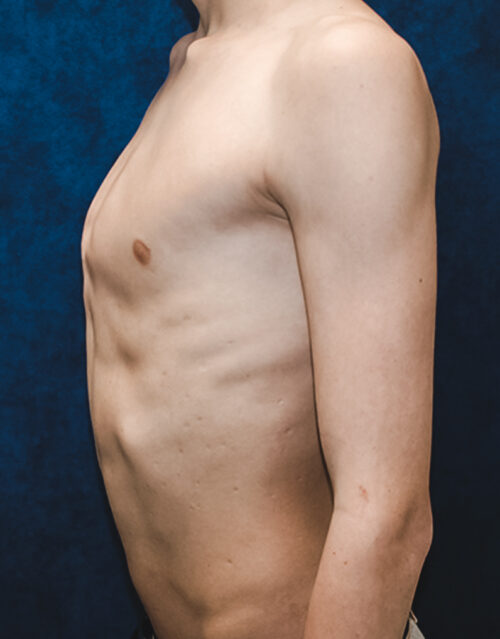
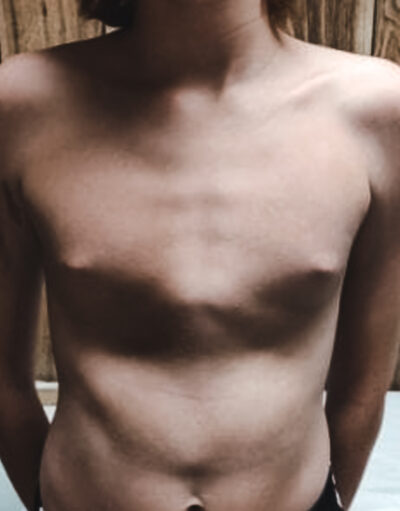
Pectus Carinatum
About the condition
Pectus Carinatum
Signs & Symptoms
While the condition is categorised by a deep indent in the chest, children with pectus excavatum often won’t show any signs or symptoms until early adolescence when the conditions worsen due to the growth spurt at that age.
In the early teen years, mild to moderate cases may cause symptoms such as a small dent in the chest, shortness of breath during exercise or trouble breathing with various activities like playing the flute or singing. Late when rapid bone growth occurs in the early teenage years, the symptoms may become worse
Corrections
Treatment Methods Include:
Procedure
External Bracing
External bracing is usually the preferred route for children who are still growing. External bracing for pectus carinatum makes use of a lightweight brace that puts pressure on the front part of the chest and the breastbone that is bulging forward.
Procedure
Ravitch Procedure
While the Ravitch procedure is done very seldom these days, it may be required for older patients with the chest deformity, pectus excavatum. Pectus excavatum is a defect in which the cartilage that holds the ribs to the breastbone is abnormal, causing the chest to look sunken or caved in.
Procedure
Reverse Nuss Procedure
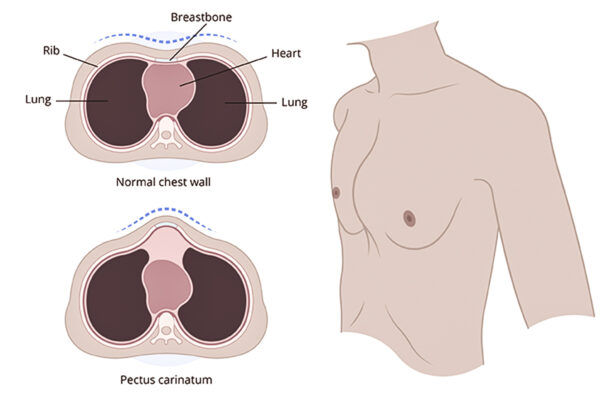
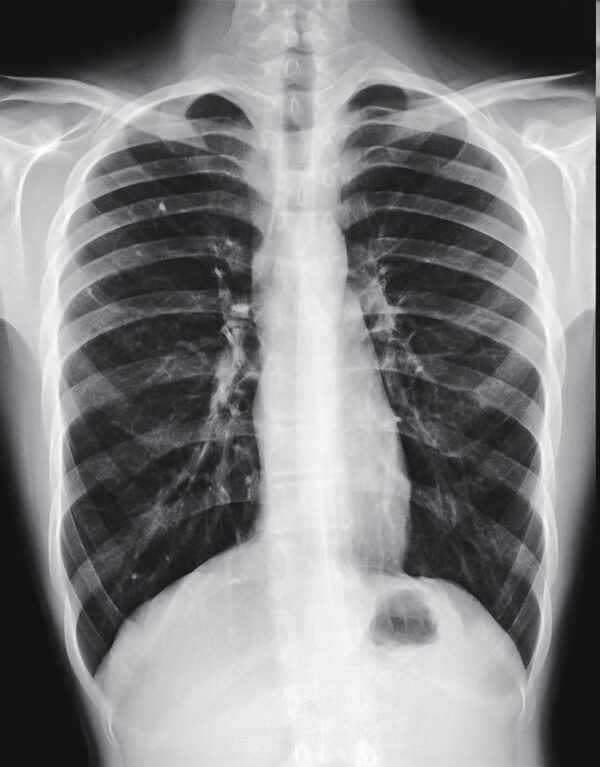
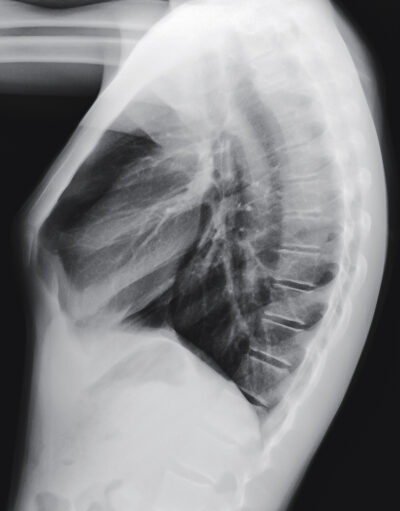
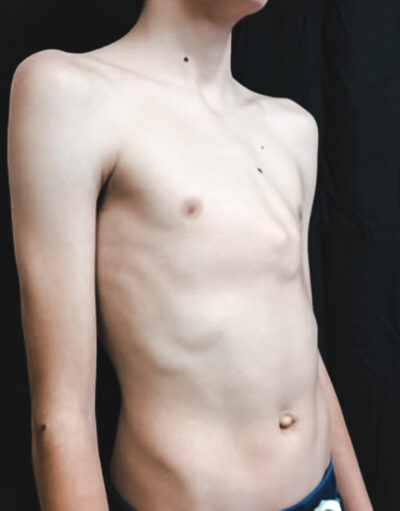
The Abraham or Reverse-Nuss procedure is done for severe cases of pectus carinatum, a chest deformity categorised by a defect in the chest that causes the breastbone to protrude from the chest. The conditions are often called pigeon chest since the bulging gives the chest a birdlike appearance.
Get Started Today
Book Your Consultation with Dr Schewitz
Appointments available across three hospital locations in South Africa.
Waterfall City Hospital, Midrand
Chris Barnard Memorial, Cape Town
Umhlanga Hospital, Durban
Online consultations